

Key Takeaways
- Recurring difficulty bathing, dressing, or grooming may signal a need for regular help with personal care.
- Skipped meals, unused groceries, and confusion about medications can prompt a conversation about more consistent daily support.
- Falls, close calls, avoided stairs, and difficult shower transfers may indicate that a home no longer meets mobility needs.
- Repeatedly unfinished laundry, unopened bills, and delayed repairs can suggest household upkeep has become too demanding.
- Fewer visits and outings may leave a loved one wanting more opportunities for companionship through shared meals and activities.
- Care gaps between family visits can indicate that the current support arrangement needs to change.
How to Tell When Senior Living Might Be the Right Fit
During a visit with your parent, you might notice that the groceries you brought last week are still untouched. Perhaps they ask you to carry the laundry downstairs, even though they’ve always preferred to do it themselves. One change may have a simple explanation, but repeated difficulties can leave you wondering whether they have enough help at home.
Signs it’s time to move into senior living can include trouble managing daily routines, recurring safety concerns, fewer social connections, or care needs that family members can no longer comfortably meet. If these sound familiar, it’s likely time to consider assisted living for your loved one.
Personal Care Is Becoming Difficult
Your loved one may still want to handle their own morning routine but struggle with parts of it. Stepping into the shower, fastening buttons, or standing at the sink can become tiring or uncomfortable. If they’ve started putting these tasks off, ask whether some help would make getting ready easier. These are all signs that it’s time for assisted living.
Needing assistance with personal care doesn’t mean giving up every part of a familiar routine. In assisted living, support can focus on the tasks your loved one finds difficult so they can keep doing others for themselves. If that help is needed regularly, having it close by may be more practical than waiting for your next visit.
Meals & Medication Routines Are Slipping
A nearly empty fridge or groceries that remain untouched can prompt a conversation about meals. Your parent may find shopping exhausting, lose interest in cooking for one, or struggle with the preparation and cleanup. If eating regularly has become difficult, access to prepared meals can take a recurring responsibility off their plate.
Medication routines deserve attention, too, particularly if your loved one often loses track of what they’ve taken. You may find yourself checking organizers or calling with reminders more frequently than before. As you consider assisted living, ask what medication support is available and whether it matches the help your loved one needs.
Moving Around at Home Feels Less Safe
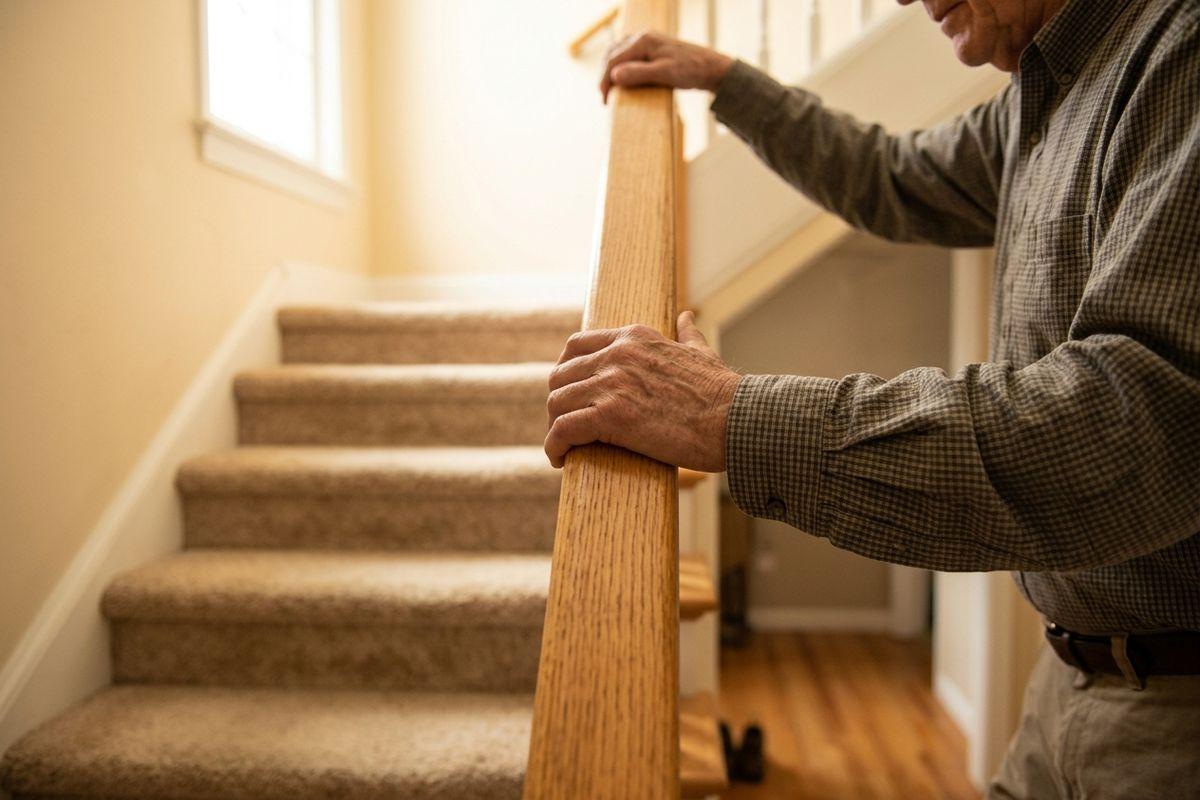
A home can hold years of memories and still become difficult to move through. Your loved one may quietly change their routine to avoid stairs, a slippery bathroom, or a room they can’t reach comfortably. Those adjustments are worth discussing, especially if they need help but don’t always have someone nearby.
Signs their home may no longer meet their mobility needs include:
- Recent falls or repeated close calls
- Difficulty getting into or out of the shower
- Holding onto furniture to move between rooms
- Avoiding stairs or parts of the house
- Waiting for assistance to reach the bathroom
- Trouble getting up from a bed or chair
If these difficulties keep recurring, consider whether a more accessible setting and regular assistance would better support their day.
Household Upkeep Is Becoming Too Much
One untidy afternoon doesn’t tell you much about whether your loved one needs to move. A lasting change from their usual habits is more useful, particularly if they seem frustrated by work they can’t finish. Maintaining a house may now require more energy than they want to spend on it.
The workload may have become difficult if you regularly notice:
- Laundry left unfinished
- Dishes piling up in the sink
- Trash waiting to be taken outside
- Bills and mail left unopened
- Repairs repeatedly put off
- Rooms becoming difficult to keep clean
If family visits are spent catching up on the house, assisted living can offer convenient services so your loved one can step away from those responsibilities and give you more time together.
Opportunities for Connection Are Shrinking
Your parent may miss seeing people but have fewer ways to make it happen. A friend moves away, driving becomes difficult, or a weekly gathering ends. Eventually, even someone who likes their privacy may wish their days included more conversation and familiar faces.
Community life can make that contact easier to find without arranging a separate trip. Shared meals and nearby activities give residents opportunities to get to know neighbors at their own pace. Ask your loved one what kind of company they miss, then look for a community where those interests have a place in daily life.
Family Support Can’t Cover Daily Needs
Helping with groceries once a week is different from coordinating meals, personal care, rides, and frequent check-ins. As responsibilities grow, you may find that your loved one needs assistance between visits despite everything you’re doing. Those gaps can be a sign that the current arrangement needs to change.
You don’t have to wait until you’re exhausted to consider assisted living. Regular daily support can ease the pressure to fit every care task around work, children, and your own appointments. It can also give family visits more room for conversation, a shared meal, or time together without a list of unfinished responsibilities.
Find Daily Support at Merryvale Assisted Living
If any of these signs sound familiar, it may be time for a change in the support your loved one receives. We know that considering a move can bring questions about independence, familiar routines, and what daily life will look like. You don’t need to have every answer before talking with us.
At Merryvale Assisted Living, we’ll listen to what’s becoming difficult and what your loved one wants to keep doing for themselves. Our team can walk you through daily life in our community and discuss whether our assisted living support fits their needs. Schedule a tour with us today to learn how we can support your loved one at Merryvale Assisted Living.