

Key Takeaways
- Respite care provides temporary support for older adults, often for 2–4 weeks at Merryvale Assisted Living.
- Families may use respite care during caregiver travel, recovery periods, scheduling gaps, or an older adult’s recovery after a hospital stay.
- Pack comfortable clothing, personal care products, medications, mobility equipment, and a few familiar belongings.
- Check with the community before move-in to confirm medication procedures and which everyday supplies are already provided.
- Leave valuable jewelry, heirlooms, excess cash, and unnecessary household items at home.
How to Prepare for a Short Respite Stay
For older adults who need temporary support outside the home, respite care is an excellent option. At Merryvale Assisted Living, respite stays commonly last 2–4 weeks and can give family caregivers time to travel, recover, manage other responsibilities, or simply take a planned break. Respite care can also provide temporary support after a hospital stay or during a period of recovery.
Preparing for respite care starts with the items your loved one uses every day. Comfortable clothing, personal care products, medications, mobility equipment, and a few familiar belongings will cover most needs during a short stay. Before packing, check with the community about what is already provided and whether there are specific move-in or medication requirements.
When Is Respite Care a Good Idea?
Families use respite care for many reasons, and it doesn’t require a permanent move to senior living. A planned short stay can fill a temporary gap in support while keeping meals, daily routines, and personal assistance in place.
Respite care may be worth considering if:
- A family caregiver needs time to rest or travel.
- A caregiver is recovering from an illness, procedure, or injury.
- An older adult needs temporary support following a hospital stay.
- A family needs short-term coverage because of an unexpected situation.
- An older adult wants to experience community living before a longer-term move.
Once the dates are set, preparation becomes much more straightforward. A focused packing list keeps everyday necessities close without bringing more than your loved one will use during a short stay.
What to Pack for a Respite Care Stay
The exact packing list will depend on your loved one’s routines and the length of the stay. Before move-in day, make sure that you properly plan ahead to ensure that your loved one has all of the items and belongings they need to stay comfortable. That’s the key to keeping their daily life much more comfortable.
Clothing and Footwear
Choose clothes your loved one already wears regularly rather than packing outfits specifically for the stay. Comfortable pieces that are easy to put on work well for everyday routines, while a few layers provide flexibility as temperatures change indoors and outside.
It helps to pack:
- Comfortable shirts and pants
- Pajamas and a robe
- Sweaters or light jackets
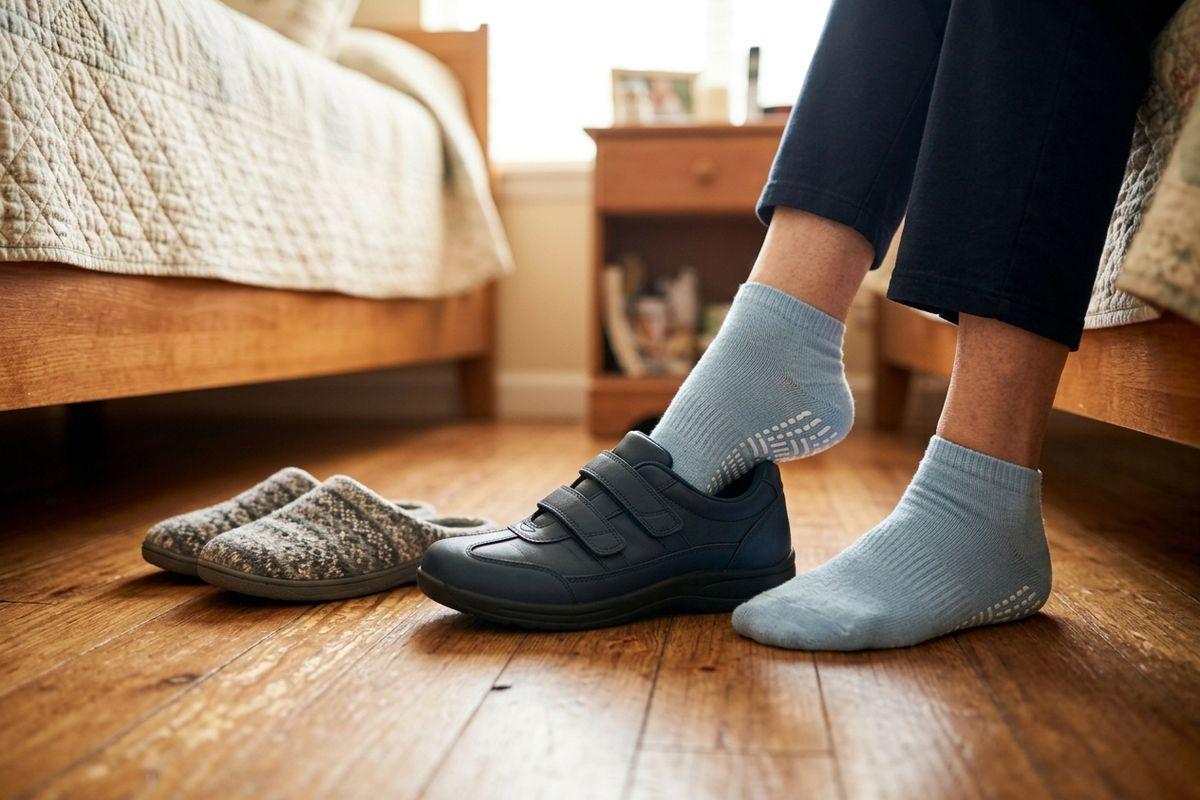
- Closed-toe shoes with nonslip soles
- Slippers or nonslip socks
Personal Care Items
Familiar grooming products keep everyday routines consistent. Pack the items your loved one normally reaches for in the morning and before bed, with enough to cover the planned length of the stay. This helps keep the transition much smoother.
Make sure that you include:
- Toothbrush, toothpaste, and denture supplies
- Shampoo, body wash, and deodorant
- Lotion and preferred skincare products
- Glasses and hearing aids with spare batteries
Medications and Health Information
Medication procedures may differ from what families follow at home, so confirm the community’s requirements before move-in day. Keep medication information clear and current so the team has the details needed for the stay.
Plan to bring:
- Medications according to the community’s packaging requirements
- A current medication list with dosages and schedules
- Prescription information or other documentation requested before move-in
Mobility and Daily Support Items
If your loved one relies on mobility or support equipment at home, those items should remain part of the daily routine during respite care. Check with the community before bringing larger equipment, so there are no surprises on move-in day.
Depending on your loved one’s needs, pack:
- A walker, cane, or wheelchair
- Braces or orthopedic supports
- Incontinence products and related supplies
- Other personal support equipment used regularly
What to Leave at Home
A respite stay offers significant benefits to older adults. However, it’s also temporary, so there is usually no reason to bring valuable or irreplaceable belongings. Keeping the packing list focused also makes it easier to organize personal items throughout the stay.
It’s usually better to leave these items at home:
- Valuable jewelry
- Family heirlooms
- Large amounts of cash
- Unnecessary household items
- Anything restricted by community policy
Label clothing, mobility equipment, and other personal belongings before move-in. If you are unsure about an item, ask the respite care team before packing it.
Benefits of a Short Respite Care Stay
For family caregivers, respite care provides a defined period when someone else can manage day-to-day support. That time may be used for travel, recovery from a procedure, other family responsibilities, or simply a break from the regular caregiving schedule. Knowing the stay has a clear beginning and end can also make planning easier.
Meanwhile, your loved one receives access to everything the community has to offer. This means convenient services, scheduled programs, and opportunities to spend time around other people in the community. For someone recovering after a hospital stay, the added structure also provides a useful bridge before returning home.
Plan a Respite Stay at Merryvale Assisted Living
A practical respite care checklist does not need to include everything your loved one owns. Focus on comfortable clothing, personal care products, medications, support equipment, and a few familiar belongings, then confirm any community-specific requirements before move-in day.
At Merryvale Assisted Living, our team can answer questions about packing, move-in requirements, and what to expect during a 2–4 week respite stay. We can also help families understand how short-term support may fit their current needs. Schedule a tour of Merryvale Assisted Living today to learn more about respite care in Oxford.