Key Takeaways
- Art therapy uses painting, drawing, sculpting, collage, and other creative activities to encourage expression and engagement.
- The creative process focuses on participation and personal choice rather than artistic ability or the finished result.
- Art activities can provide another outlet for self-expression when dementia makes verbal communication more difficult.
- Creative projects can involve attention, decision-making, fine motor movement, and hand-eye coordination.
- Memory care art activities can be adapted to each resident’s interests, abilities, comfort, and energy level.
- Painting, clay, collage, scrapbooking, art viewing, and group storytelling offer different ways for residents to participate.
Why Creative Time Matters in Memory Care
Creative expression doesn’t depend on finding the right words. A familiar color, the feel of clay between the hands, or a few strokes of a paintbrush can give someone living with dementia a comfortable way to participate and express themselves. These activities also give families another way to connect with a loved one during visits.
Art therapy for memory care brings creativity into a supportive setting through painting, drawing, sculpting, collage, and other projects. These activities encourage self-expression, mental engagement, movement, and social connection while keeping the experience approachable. In memory care, this programming gives residents opportunities to participate in ways that reflect their interests and abilities.
What Is Art Therapy?
Art therapy uses creative activities as a form of expression and engagement. Painting, drawing, working with clay, and creating collages give participants different ways to communicate ideas, preferences, and feelings without relying entirely on conversation.
The focus isn’t on artistic talent or producing a polished piece. Instead, the process gives each person room to make choices, work with different materials, and create something in their own way. This flexibility can make art especially approachable for people with different abilities and levels of experience.
What Does Art Therapy Look Like in Memory Care?
Art therapy in memory care can be adapted to meet residents where they are. A project might use familiar materials, simple directions, or a favorite subject to make participation more comfortable. Some residents may prefer a guided activity, while others may want more freedom to choose their own colors, materials, or approach.
Activities can also change based on a resident’s interests, comfort, or energy that day. One session might involve watercolor painting, while another could focus on clay, collage, or looking at familiar photographs. This flexibility lets residents participate without pressure to complete a project in a particular way.
Benefits of Art Therapy for Memory Care
Creative activities can engage several abilities without making the experience feel like a test. Depending on the project, residents can communicate through their choices, concentrate on a task, work with their hands, and interact with the people around them.
Self-Expression and Communication
Dementia can make it more difficult to communicate thoughts and feelings through words. Colors, images, materials, and creative choices provide other ways for residents to express preferences and take an active role in an activity.
Cognitive Engagement
Art projects can involve attention, decision-making, and following simple steps. Choosing materials or deciding what to add next keeps the resident involved throughout the activity. Familiar subjects, photographs, or images connected to longtime interests can also create natural opportunities for conversation.
Hand Movement and Coordination
Painting, drawing, shaping clay, and arranging collage materials all involve the hands. These activities incorporate fine motor movement and hand-eye coordination into creative projects residents can complete at their own pace.
Art Therapy Activities for People Living With Dementia
Art activities can take many forms, so projects don’t need to follow the same format for every resident. The right activity might be hands-on and tactile, visually focused, or built around creating something with other residents.
Painting and Drawing
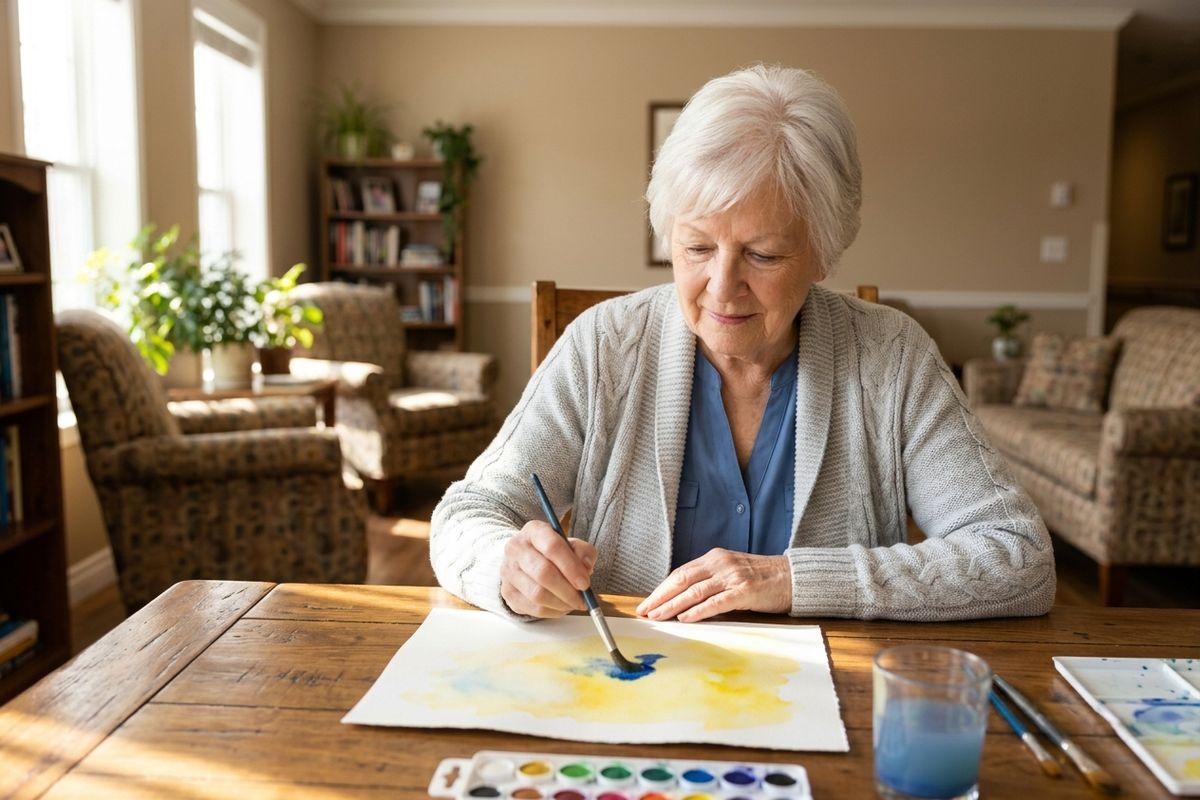
Watercolors, colored pencils, crayons, and markers provide approachable ways to create without complicated materials. Residents might paint a familiar subject, work with seasonal colors, or create an open-ended design. The emphasis stays on making choices and participating rather than producing a particular result.
Clay and Sculpting
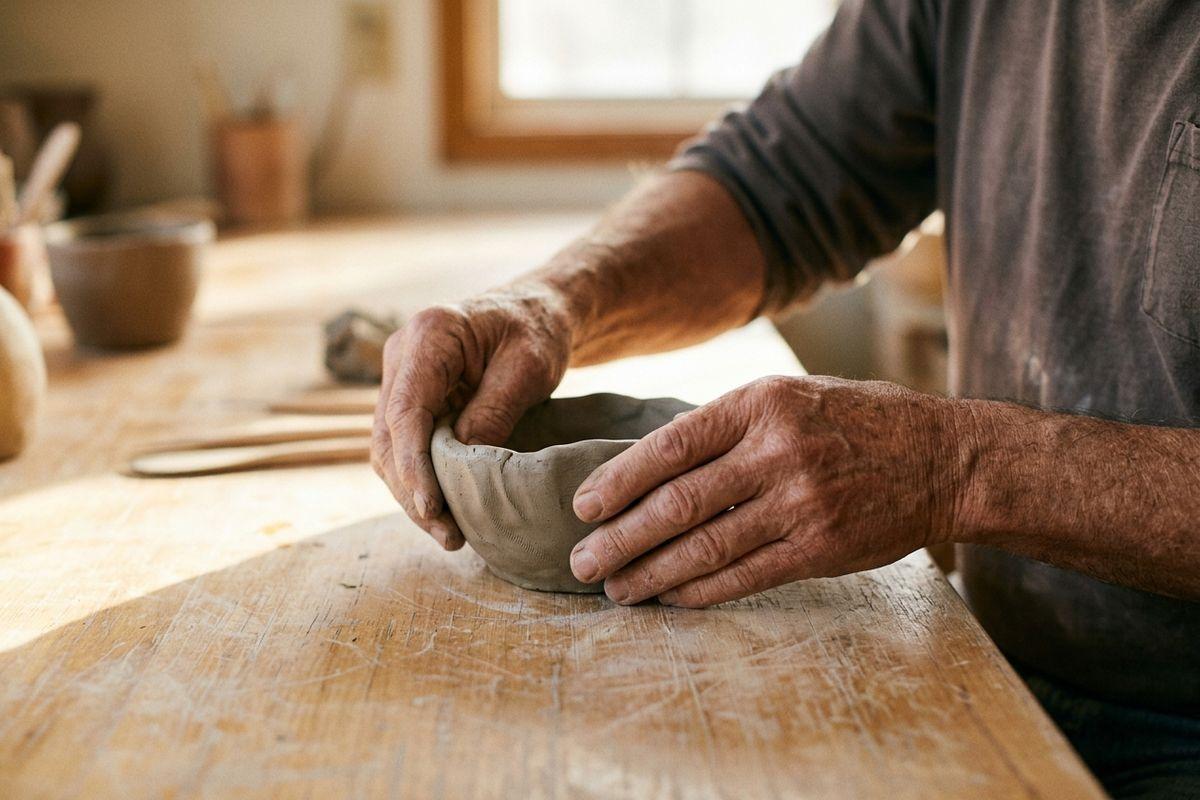
Clay provides a hands-on creative experience for residents who prefer tactile activities. Rolling, pressing, flattening, and shaping the material allows someone to experiment with different forms while using simple hand movements.
Collage and Scrapbooking
Collage and scrapbooking can incorporate photographs, magazine images, colorful paper, and other familiar materials. Residents can select and arrange the pieces that interest them, giving each project a personal direction. Recognizable photographs and images can also create an easy starting point for conversation with caregivers or visiting family members.
Art Viewing and Group Storytelling
Creative participation doesn’t always require making a piece of artwork. Residents can look at paintings, photographs, or other images and discuss the details that catch their attention. A group can also create a story inspired by an image, with each person contributing at their own comfort level. These activities give residents different ways to participate while spending time with others.
Creativity and Connection at Merryvale Assisted Living
Art therapy for memory care creates opportunities for expression, engagement, movement, and connection through approachable creative experiences. Residents can work with different materials and activities according to their interests and abilities, without the expectation that there’s a right way to create.
At Merryvale Assisted Living, art therapy is part of memory care programming centered on keeping residents involved and connected in everyday life. Our team creates opportunities for residents to participate in activities that respect their preferences and give them meaningful ways to spend time with others. Schedule a tour of Merryvale Assisted Living today to learn more about our memory care programming.